
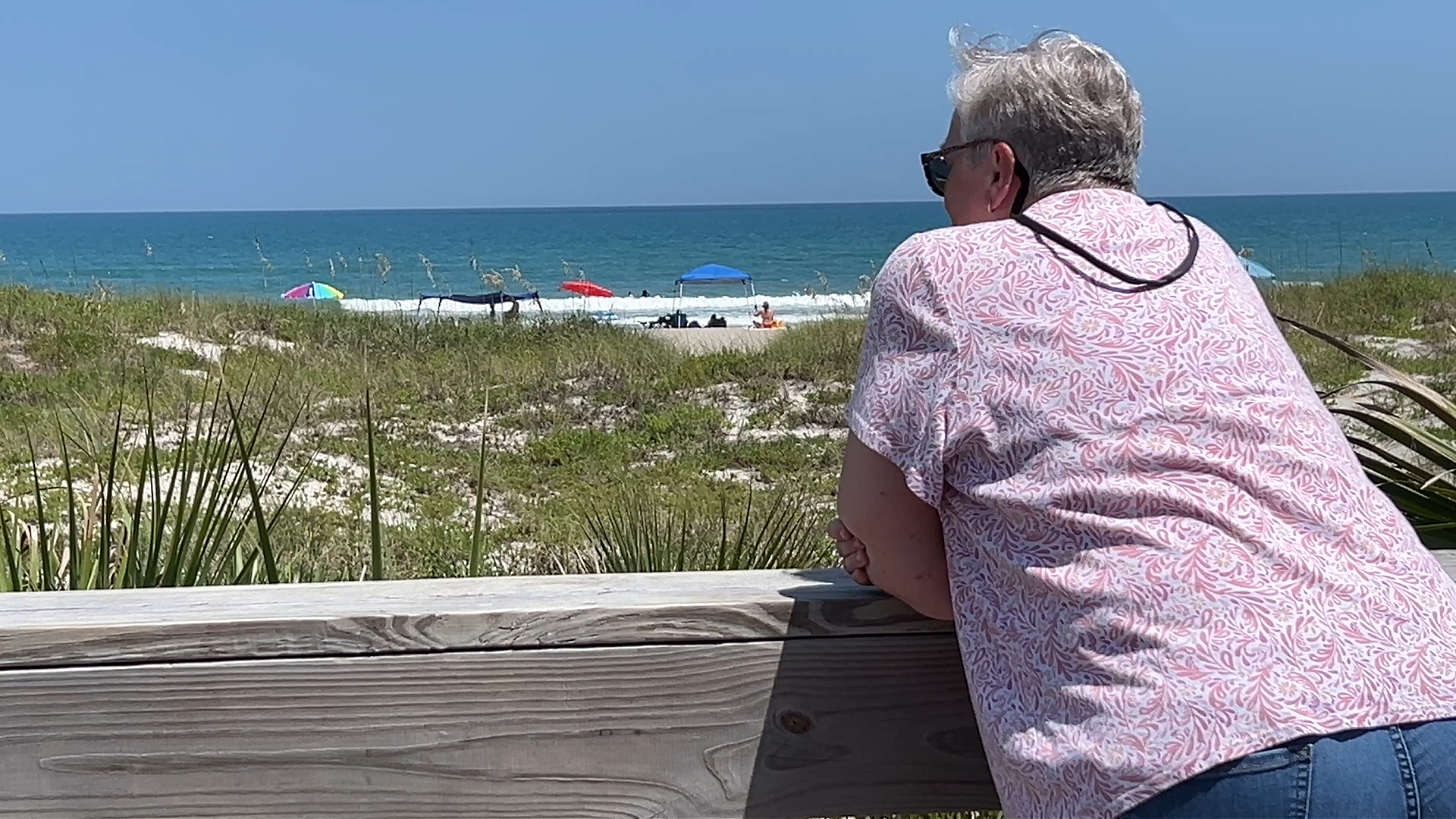
How to Deal With Getting Older (When You Still Feel Like You)
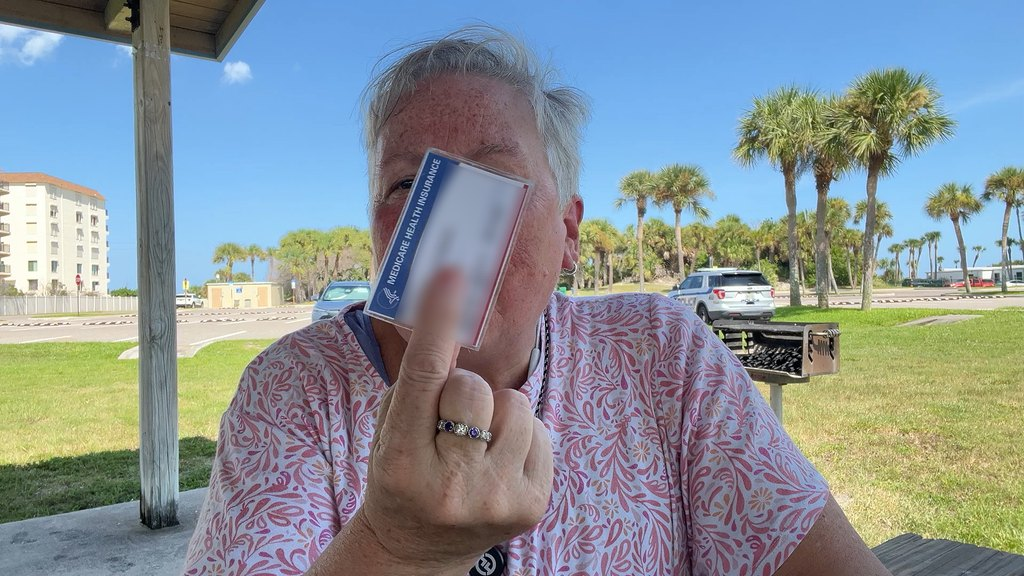
I got my own Medicare card this year. Not a parent’s. Not a spouse’s. Mine.
I laminated it before I even used it once.
Here’s the thing nobody tells you about how to deal with getting older. It doesn’t show up as one big moment. It shows up as a string of small ones, checkpoints, spread out over years, and most of them sneak past you until one lands so square in the middle of your chest that you have to sit down.
For me, that checkpoint was a piece of perforated paper in the mail.
The Twenty Years I Gave Myself
My mom passed in 2019. She was 79. I was 59. Twenty years exactly separated us.
When she died, I did what I think a lot of us do without even realizing it, I quietly set myself a target. Twenty years. If I got twenty more years, that would be enough. That was the deal I made with myself, mostly without ever saying it out loud.
That was seven years ago now. Seven years, gone, just like that. And here’s the part that got me: I’m not just seven years closer to that twenty-year finish line, I’m seven years further into using it up. Same panic-sized number sitting out there, except now it’s thirteen instead of twenty, and thirteen doesn’t sound nearly as safe as twenty did.
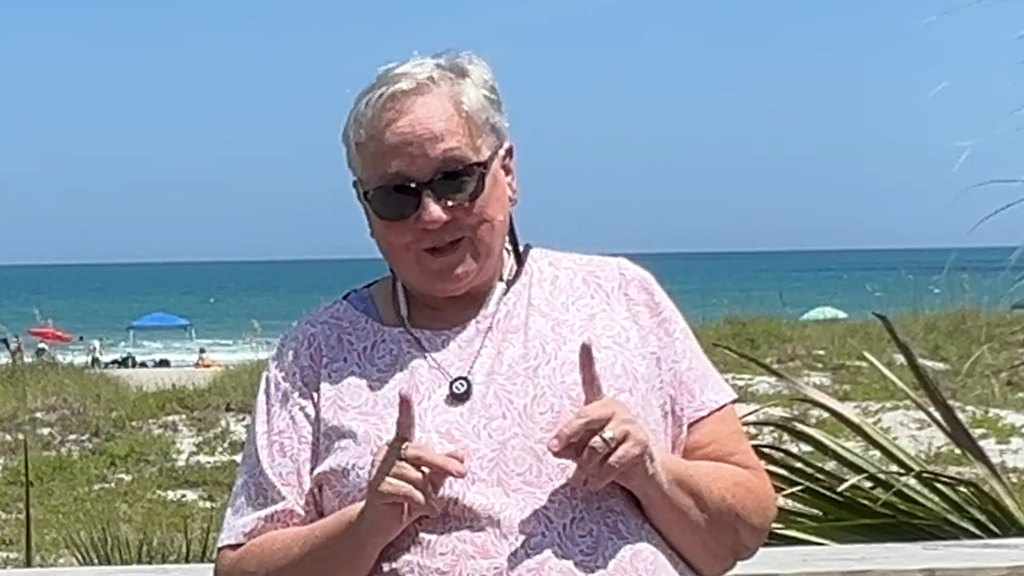
So I did what felt like the responsible thing and moved the number. Twenty-five years feels like more cushion. Twenty-five would put me around ninety, which is a number I genuinely cannot picture myself as. My brain just refuses to render it.
But here’s where it really got me. Twenty-five years ago was 2001. That does not feel far away at all, it feels like last week. It’s the same stretch as three full presidential terms back to back, twenty-four years’ worth of elections. Go back that far and you land on the Clinton administration and then younger Bush after that. I remember those years clearly. They’re not distant history to me, they’re just part of my life.
Which means twenty-five years from now is going to arrive exactly that fast. That’s the part of how to deal with getting older that nobody quite prepares you for. It’s not that the years ahead feel short while you’re living them, it’s that they’ll feel exactly as short in hindsight as the years behind you already do.
Getting Old Is a Process, Not an Event
If you’ve ever searched for how to deal with getting older, you’ve probably noticed most of what comes up is either a joke about reading glasses or a somber article about decline. Neither one is quite right, at least not for me.
Getting old isn’t a single door you walk through. It’s a hallway, and life keeps opening little rooms off of it whether you’re ready to look inside or not.
My rooms started well before that Medicare card. My dad got sick in 2014 and passed in 2016. My sister and I traded off driving to North Carolina to be there so he never missed a chemo appointment alone. In 2017, in the middle of all of that, I was diagnosed with breast cancer myself and went through my own treatment. My mom’s decline ran long and slow from 2010 to 2019, which, again, was so many more trips to North Carolina to help her, and by the time she passed, I had already spent most of a decade inside hospital waiting rooms and pharmacy pickup lines, just usually on the other side of the counter.
Somewhere in there, I lost three of my cats within about a year of each other. I found and then lost my biological father, a story I’ve told elsewhere on this site, within the same handful of years I was doing all this other math. Each of those was its own small room off the hallway. None of them alone would have knocked me over. Stacked together, they’re the reason these remaining years hit as hard as they do.
The Part I Didn’t Expect: Feeling Normal Anyway
Here’s what surprised me most, and honestly, it’s the part I most want other women to hear if they’re trying to figure out how to deal with getting older themselves.
I don’t feel 65. I feel like me. The same me who beat sticks against creek water as a kid to scare off snakes. The same me who still wants to go do the scary, joyful things.
That’s the tension nobody quite prepares you for. It’s not that you feel old and sad about it. It’s that you feel completely normal, and then a government form shows up to inform you, very officially, that you are now the demographic the form is for. The card doesn’t match the way you feel inside at all. My husband cracked a joke about my new senior discount eligibility, and even that felt like it was talking about someone else, not me.
Life after 60 isn’t the ending chapter people expect it to be. For me, it’s turned out to be the chapter where I finally started swimming again, started this whole blog and YouTube channel, started saying yes to things I would have talked myself out of ten years ago.
What Actually Helped
If you’re standing where I was standing when that card arrived, here’s what I’d tell you, not as advice from someone who has it figured out, but as someone still figuring it out in real time, right alongside you.
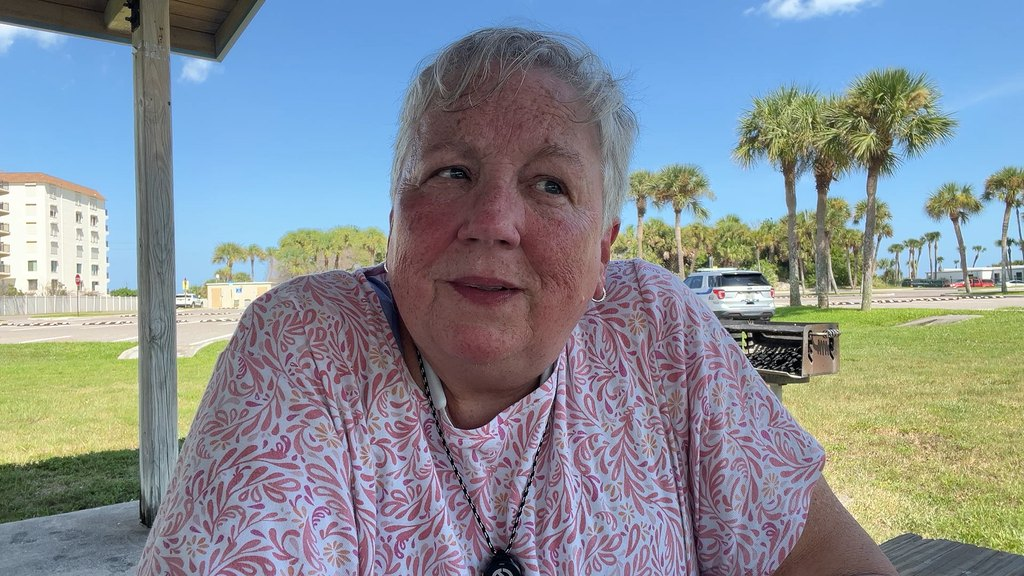
Let the panic have its minute. Mine lasted about that long, one physical, stand-up-and-want-to-run minute, and then it passed.
Do the real math, once, on purpose, instead of carrying a vague fear around. Realizing I was already seven years into whatever number I’d given myself was uncomfortable, but it was also just true, and true is easier to live with than vague dread.
Find the thing that makes you feel like you again. For me, that’s water. It doesn’t have to be water for you. It just has to be something that reminds you the calendar and your actual self are having two very different conversations, and you get to trust the one that still feels like you.
Come Float With Me
I laminated that card, but I haven’t used it for anything yet. It’s just proof, for now, that I made it to a milestone I once thought was twenty years away.
I’m curious what your version of this looks like. Has there been a moment, big or small, where something official confirmed you’d crossed into a new stage before you felt ready to? I’d love to hear about it.
Come float with me.
Find this interesting? Save JennyFloats as your go-to getting back into life after 60 resource on Google.
