
What Growing Up on a Farm in the 1970s Taught Me
I can smell bullshit from a mile away. I mean that literally, and it turns out, figuratively too.
That particular talent traces straight back to growing up on a farm in the 1970s, and by the end of this story you’ll understand exactly how I earned it. We didn’t set out to become a farm family. It kind of just happened to us.
From Undercover Narcotics to a Pig Farm
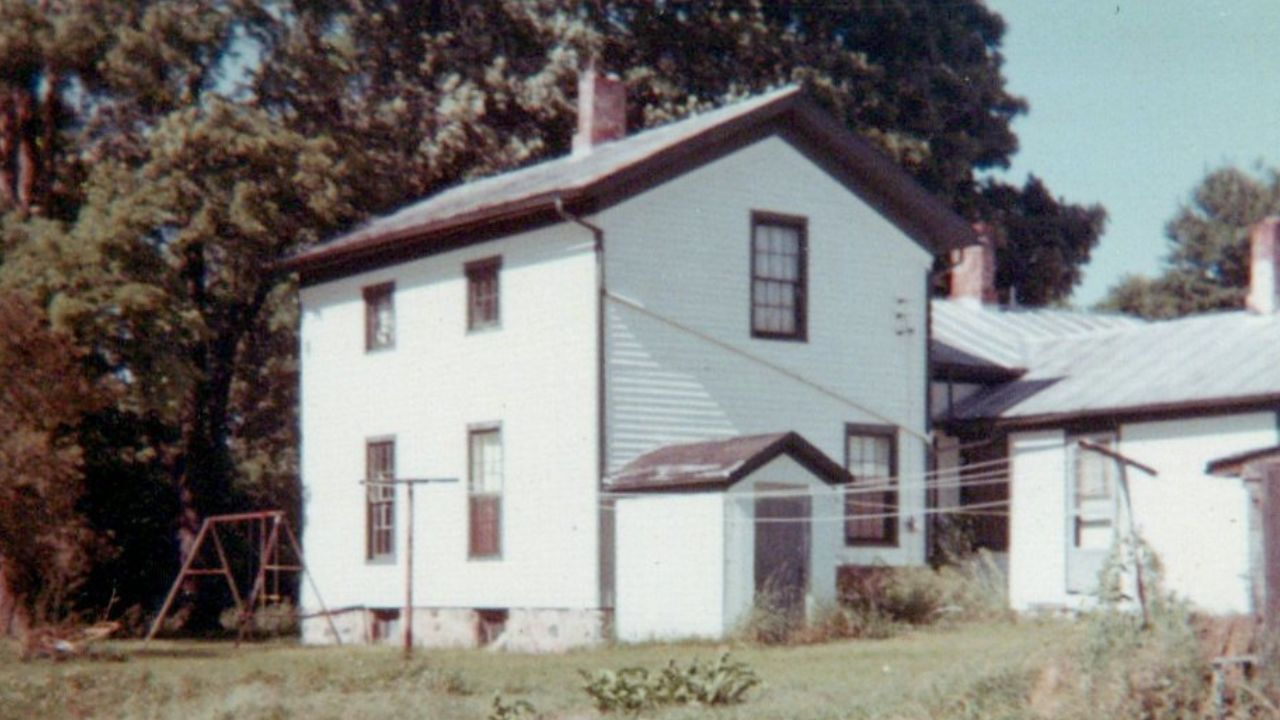
When I was around first or second grade, we moved to a pig farm, which was about as different from living in town as you could get. My dad had been an undercover narcotics detective. When he got out of police work, which is genuinely its own story I’ll tell another time, he decided the next logical move was buying a pig farm. Neither of my parents had any real farming background. We just started learning that life from scratch, together, as a family.
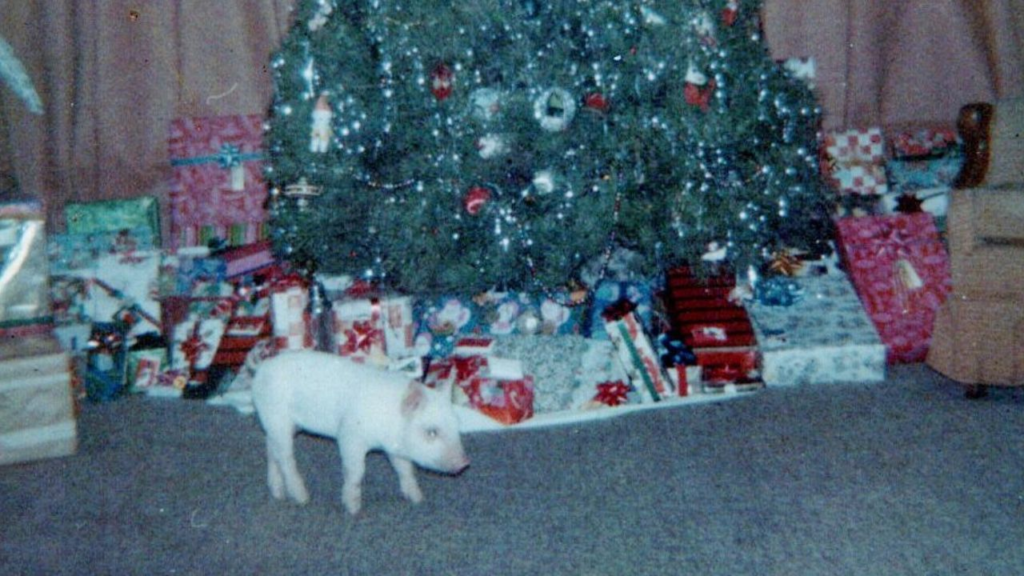
Living on a pig farm meant learning how to take care of animals and land, fast, because none of it waits around for you to figure it out gently. One of the very first things we learned, and we learned it the hard way, was that male pigs need to be castrated while they’re still small, when you can actually handle them. Not later, once they’re 250 pounds and have to be hoisted up by a rope thrown over a pulley in the barn. We found that out the difficult way, and after that, we did it right.
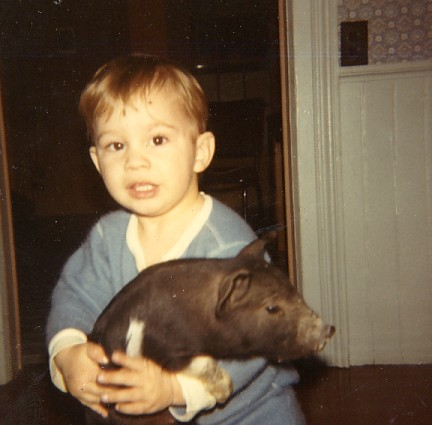
So when new pigs were born, it became my job to help my dad with that process. He kept me shielded from the parts I didn’t need to see, but my actual role was the purple stuff, the disinfectant spray, applied right after. He’d get a pig positioned between his legs, turn away from me to do what needed doing, then turn back around, and I’d be there with the purple spray, trying very hard not to accidentally hit him instead of the pig. It became this little assembly line, one pig after another, moving down the line together. That’s how I learned early on that taking care of an animal properly sometimes means doing something hard and unpleasant because it genuinely needs to be done, not because anyone enjoys it.
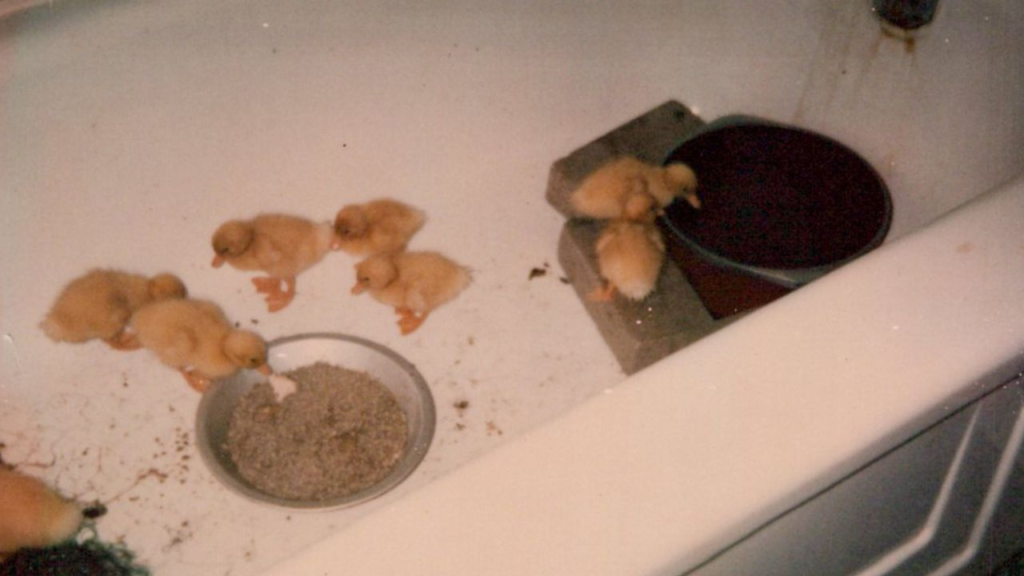
We had a kind of makeshift hospital running inside our actual house too. Animals coming and going constantly, living with us temporarily, pigs, ducks, cows, pretty much whatever needed looking after at any given moment. Chores weren’t optional in a house like that. You learned what needed doing, even if you didn’t already know how, and then you figured it out and did it.
The Cows Are Out
Here’s something I noticed early on. Our animals never seemed to get out of their fences during the day. Somehow it only ever happened at night.
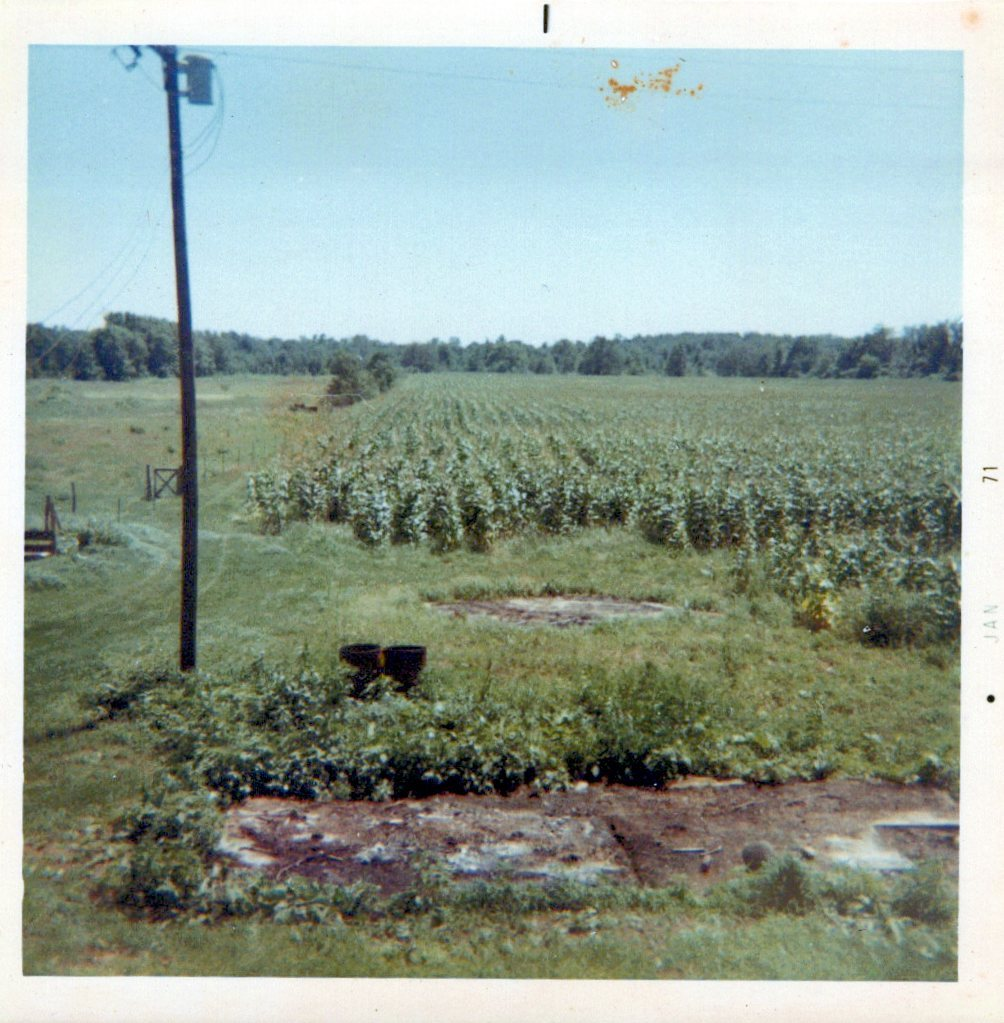
I genuinely can’t count how many times I was jolted awake in the middle of the night by someone yelling that the cows were out. It’s one of the worst possible ways to wake up. Straight from asleep into panic, shoving your feet into whatever shoes were nearest, running out the door with absolutely no idea yet where the cows actually were or, honestly, sometimes where I was either, half asleep and disoriented in the pitch dark. More than once I came to some kind of full awareness in the middle of a cornfield at two in the morning, chasing a cow I couldn’t fully see, wondering how exactly I’d gotten there. You’d round them all up eventually, herd them back into the fenced area, patch up whatever part of the fence had given way, and drag yourself back to bed until the next time it happened.
The Yarn System
Eventually we moved from the pig farm to a dairy farm, milking around 80 cows twice a day, morning and evening. My specific job was the baby calves, the ones who’d already been taken off their mothers and needed to be bottle fed milk replacer instead.
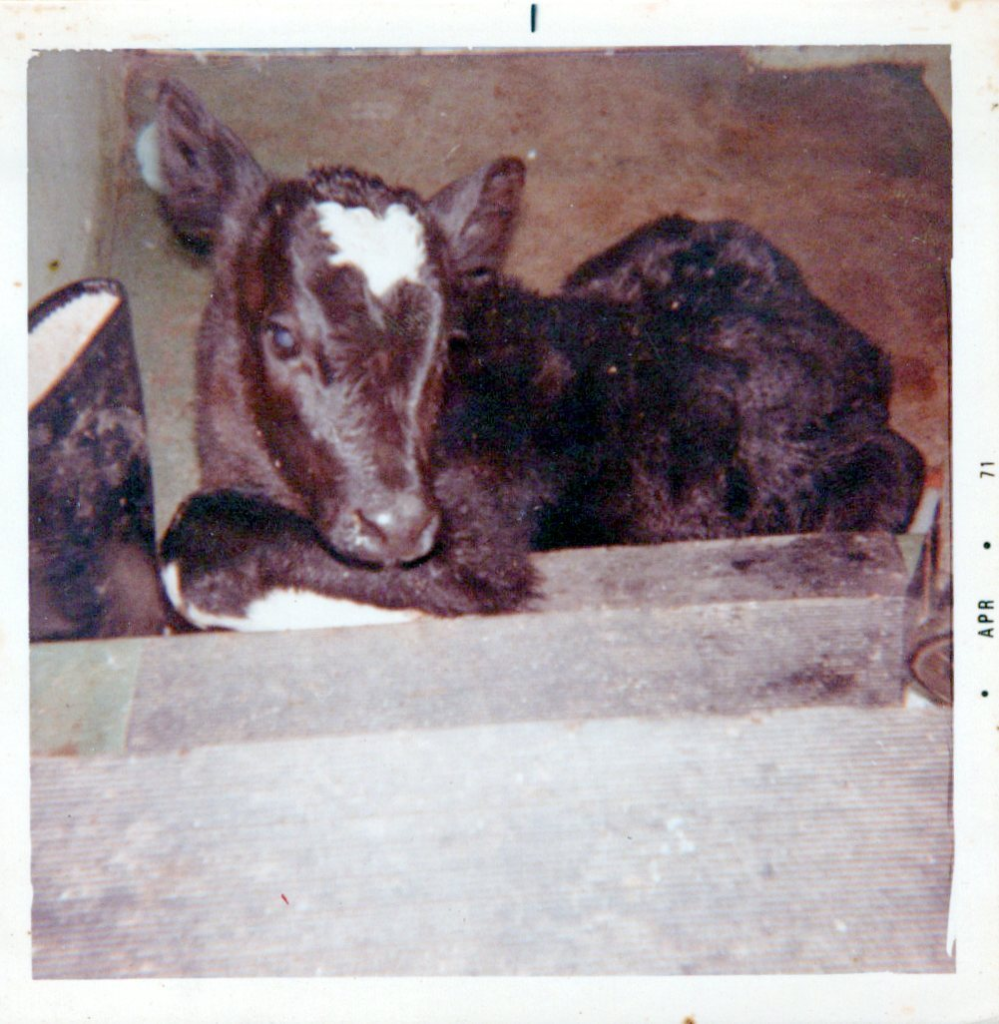
Chores came before anything else. Every single day, the second I got home from school, before a snack, before playing, before anything, I went straight down to the milk barn to mix up buckets of milk replacer, then carried them out to the calf pen.
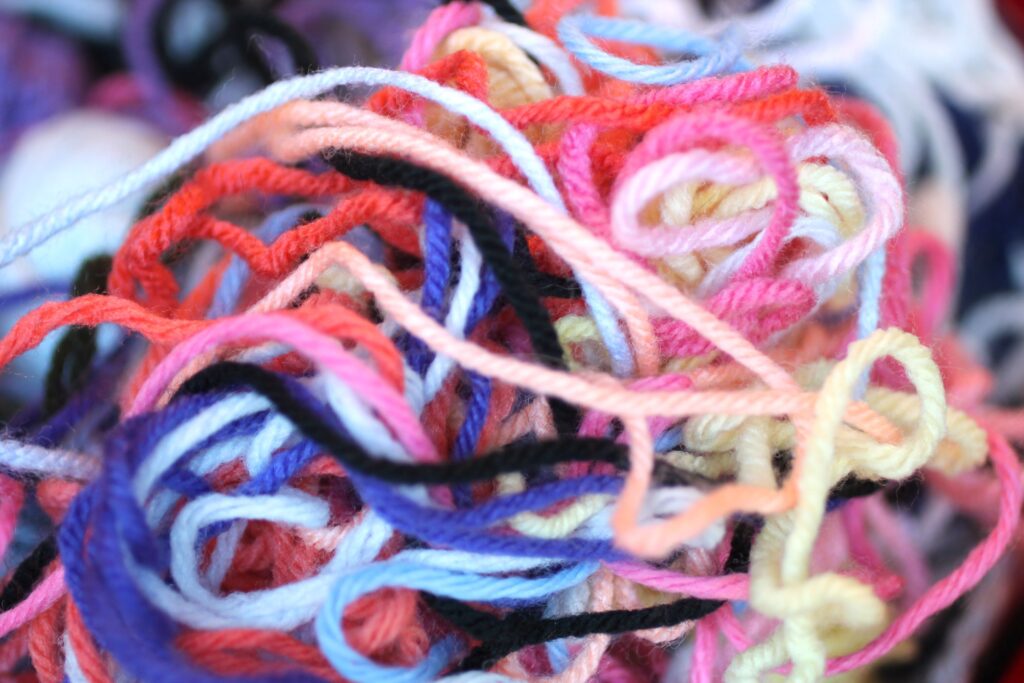
Here’s the actual problem I ran into. We only ever had black and white cows, and when they’re young, they all look remarkably alike. Telling one calf from another at a glance was nearly impossible, which becomes a real issue when you need to track exactly who’s been fed and who hasn’t. So I built my own system. I took different colors of yarn, tied a loose little necklace around each calf’s neck so it wouldn’t hurt them, red, purple, green, yellow, blue, one color per calf. Then I kept a matching scrap of each color in one pocket. As I fed the red calf, once he’d finished, I’d move the red yarn scrap from one pocket to the other. That way, as the feeding session went on, I always knew at a glance who still needed a bottle. Blue hasn’t gone yet. Move the blue scrap, feed the blue calf.
Baby calves, when they’re hungry, all want to start sucking on anything remotely close to their mouths, all at once, which meant actual bottle feeding became its own small operation. I’d hold a bottle with two fingers gripping the nipple tight enough that an eager calf couldn’t yank it clean off and dump all the milk replacer everywhere, and I’d have two more fingers free for a second calf who wanted to suck on something while waiting their turn. Same setup with my other hand. And then, because there were always more calves than hands, I’d have one hanging onto each side of my jacket tail, sucking away, waiting their turn too. So there I’d be, standing in the middle of my own little herd, four or five calves all latched onto some part of me at once, slobbering everywhere, getting their dinner one way or another.
That was chores. Every day, twice a day, rain or shine, whether I felt like it or not. You learned fast that nobody else was going to do them for you, so you just did them, and then you went and had your life afterward.
The Milking Pit Swimming Pool
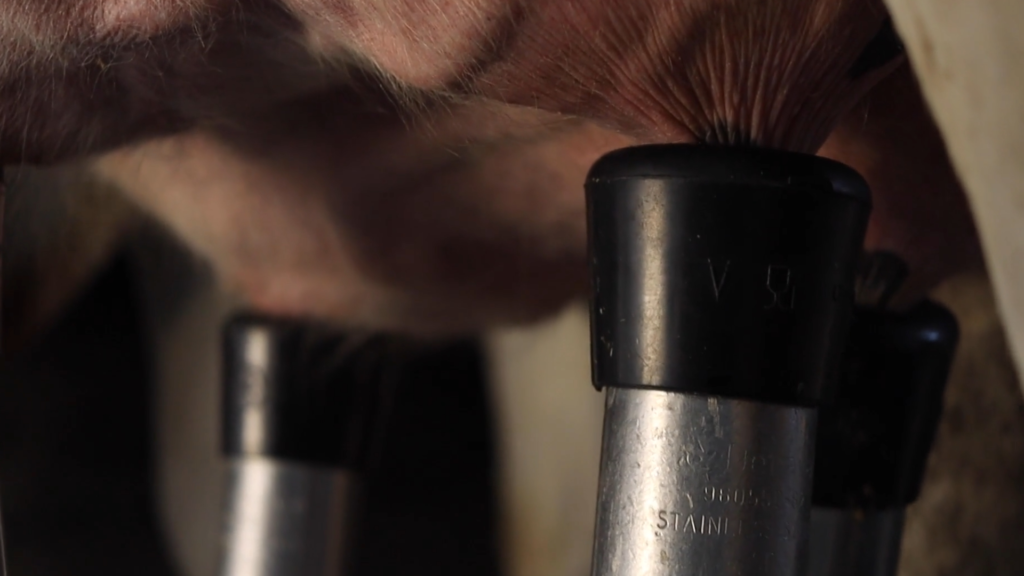
Our actual milk barn had cows filing in on a diagonal, four on each side, and we stood down in a cement block pit, low enough to be at eye level with their udders so we could clean them, attach the milking machines, and get things moving. The milk traveled through a clear tube, up into a see-through PVC pipe running the length of the barn, through a wall, and into the big milk tank in the next room, where paddles kept it moving and cold until the milk truck came a couple times a week to haul it away.
At some point, my siblings and I begged my dad to let us swim in that pit. Clog the drain, run a hose, fill the whole thing up with water, and use it as our swimming pool between milkings. And somehow, he actually agreed.
So that’s what we did. Clogged the drain, filled the cement pit with water, and had ourselves an actual swimming pool for the hot summer days, right there in the milking barn. We tried to stretch that water out as long as we possibly could, which meant that when the cows came in for their next milking, we’d hustle them through as fast as we could manage, trying to get them out before nature took its course. If one of them did pee mid-milking, someone would grab the hose and aim it straight at the puddle, trying to steer it toward the drain and away from our pool before it ruined the whole thing. That cement pond, peed-on cow water and all, was genuinely our best relief on a hot day.
Strawberry Milk
Every so often, when we brought a new mother cow back into the milking rotation, a little blood would show up in her milk, especially right around when milking started. You’d see it traveling down through those clear tubes toward the overhead pipe, an unmistakable reddish tint against all that white.
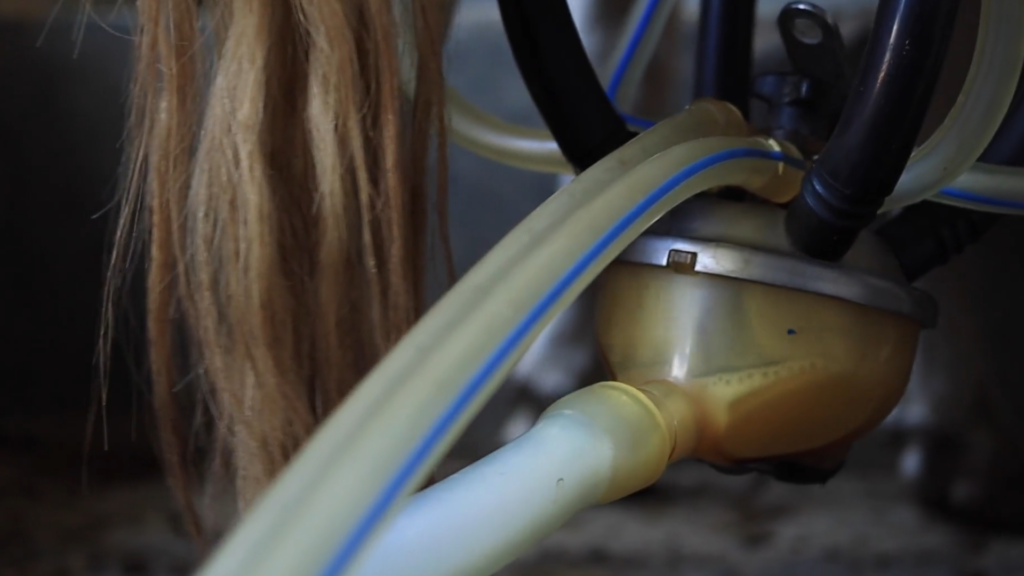
The second anyone in my family spotted that color, they’d yell “strawberry milk,” and whoever was closest would sprint for the shutoff valve like their life depended on it, because that milk absolutely could not be allowed to reach the big tank and contaminate the entire batch. Strawberry milk became our family’s actual emergency word, shorthand for a specific kind of small farm crisis that needed immediate action.
To this day, I cannot drink strawberry milk. Won’t touch it. And I’ll just let your imagination run with what it meant, in our house, when somebody yelled chocolate milk instead.
Nope. To this day, any milk that isn’t plain white, I can’t do it.
What Growing Up on a Farm in the 1970s Actually Taught Me
Growing up with horses, cows, pigs, chickens, ducks, and sheep all at once gave me a strange little skill I never asked for and never expected to be useful later. I can genuinely tell the difference between the smell of different animals. Every single one has its own particular scent, distinct enough that I could tell a pig farm from a dairy farm from a mile away without seeing either one.
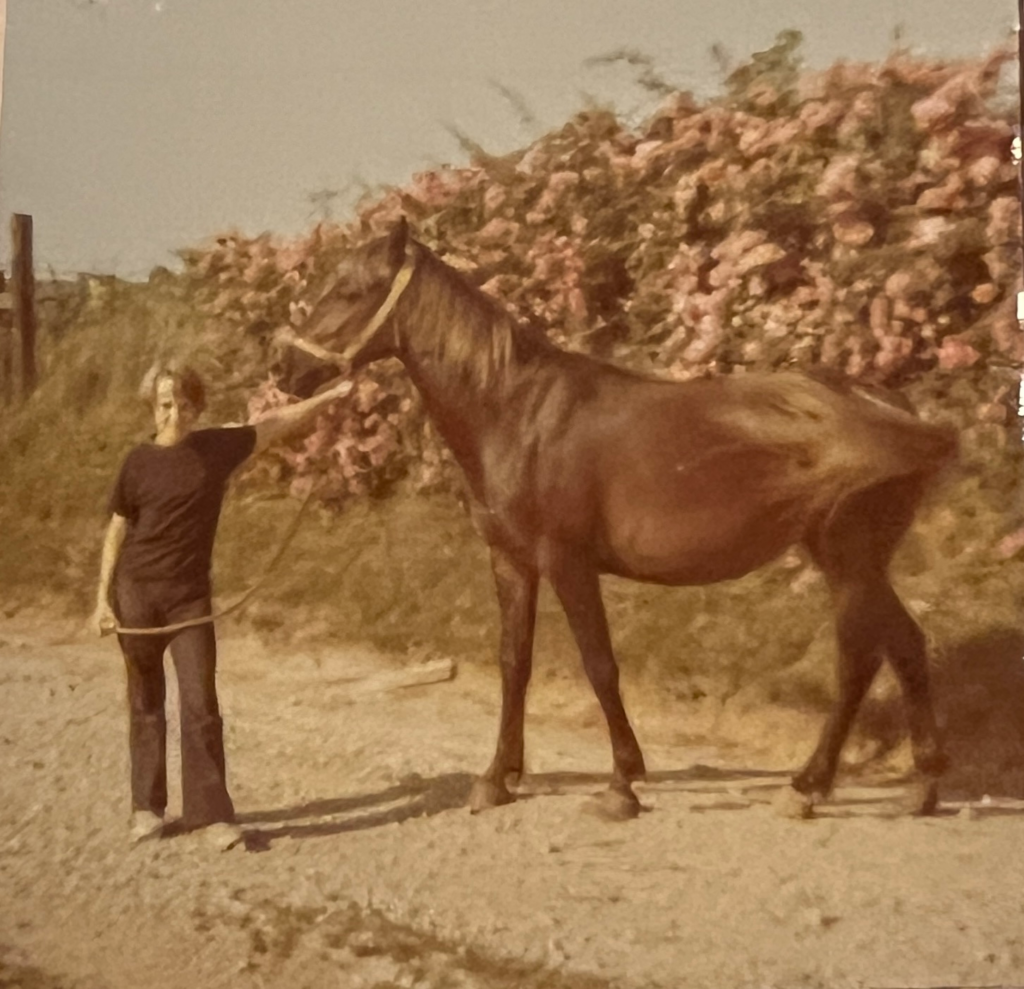
That particular talent has served me surprisingly well as an adult, because it turns out I can smell something else from a mile away too. If someone’s trying to pull one over on me, trying to talk their way around something, trying to fool me in some way, I catch onto it fast. I don’t fall for it easily. Whatever that instinct actually is, it got trained into me early, out in a barn, long before I ever needed to use it on people instead of pigs.
There are real lessons in all of this beyond just the smell thing, honestly. I don’t get rattled when work turns out to be hard. I expect it to be hard, most of the time, and I just sit down and do it anyway until it’s done. That’s not a personality trait I built on purpose. That’s a pig farm and a dairy farm and a whole childhood of chores, quietly built into who I turned out to be.
So tell me something. What’s one thing from your own childhood, something specific to how you were raised, that ended up shaping who you are now in a way you maybe didn’t notice until much later? I’d genuinely love to hear it.
If you want to drop me a comment, go over to YouTube for this video, I read every comment and will write you back. And while over there, hit subscribe so you can catch the next story.
Video for this post – What Growing Up on a Farm in the 70s Taught Me
For now, come float with me and let’s see what happens together.
If you want to keep swapping stories like this one, I’ve seen a group over on Facebook where farming stories are swapped. It’s a fun read.
Want to read more stories of my life adventures, go check out when I moved to Hawaii but had a fear of the ocean. Or have a read about how I went back to my childhood home after 50 years. Grandma’s House!
Or my story about feeling invisible after 60.
Find this interesting? Save JennyFloats as your go-to getting back into life after 60 resource on Google.
